Feb. 4, 2026
For Generation Z and Alpha, video games are no longer just an entertainment channel. Today, they represent safe environments where young people can express ideas, build community, and actively participate in public conversation, often away from the noise and pressure of traditional social media.
According to Newzoo, 74% of gamers connect to a game just to hang out with their friends, without even playing. This behavior reveals that video games have transformed into platforms of genuine interaction, similar to the early days of networks like MySpace or Facebook, where the focus was on human connection rather than content creation or external validation.
In this sense, new generations have begun to shape their own digital ecosystems. Gen Z dedicates 17% of their free time to gaming and Gen Alpha does so at 21%, making video games their main source of entertainment and a cultural driver. This makes them a generation that creates ecosystems around their favorite video games, whether as players, consuming related content, and creating online communities. The rise of platforms like Roblox demonstrates this. This tool not only allows playing but also creating personalized virtual worlds through accessible environments. According to Exclusible, Gen Z and Alpha users invest an average of 2.4 hours daily on this platform, building their own spaces that function as meeting rooms, gathering points, and stages for expression.
The metaverse has become a fundamental space for youth digital activism, allowing children and adolescents to express themselves without exposing themselves to physical risks or being discredited because of their age. Examples such as the Palestine protest in Roblox (with more than 275,000 visits, according to CNBC) or the commemorative map in Animal Crossing during the Black Lives Matter movement demonstrate the political power of these platforms, a phenomenon that has also gained strength in Latin America.
In Venezuela, following allegations of electoral fraud, young people protested in the game Brookhaven, also within Roblox. According to the user who led the movement, most participants were between 15 and 20 years old, highlighting the active role of adolescents in relevant social causes through digital media.
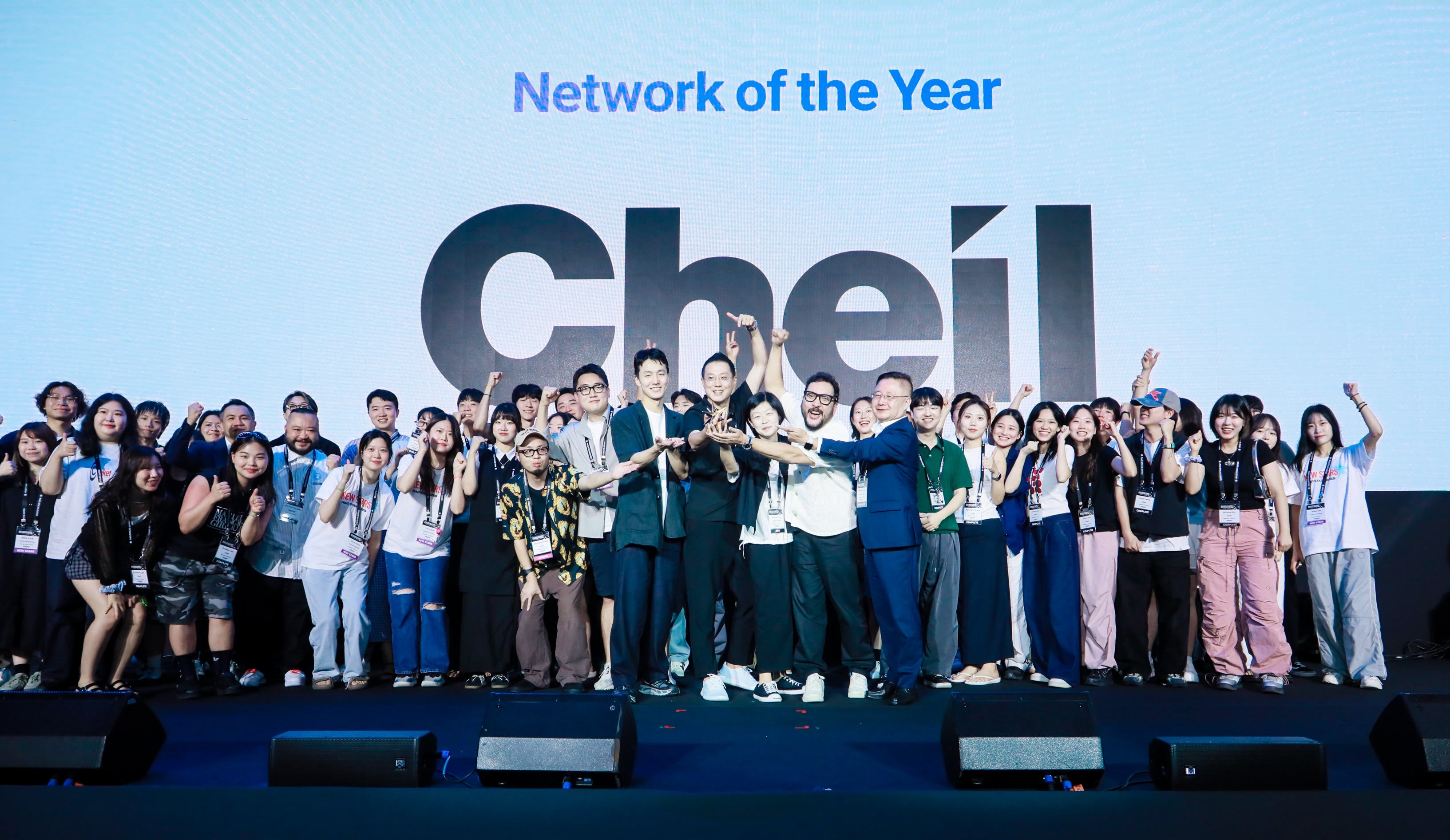
For brands, these environments represent much more than simple advertising channels: they are living communities with their own dynamics, where authenticity and relevance weigh more than advertising. According to Karla Robles, Planning Manager at Cheil México, "New generations seek brands that share their values, that demonstrate social and environmental responsibility, and that are not afraid to take positions on important issues. Transparency, even in mistakes, is more valued than perfection." Therefore, Gen Z and Alpha value brands that understand their language, participate organically, and contribute real value to their digital experiences.
Participating in environments related to activism and diversity not only strengthens the emotional connection with players but also positions the brand as a relevant actor in the conversations that matter to these generations, always closely aligned with each brand's mission, vision, and values.